
When people talk about branding today, the conversation often jumps straight to social media ads, influencer tie-ups, or search engine visibility. But long before the digital wave took over, businesses relied on tried-and-true traditional branding methods to make their mark. These strategies may feel “old-school,” but they laid the foundation for some of the world’s most recognized brands—and many of them are still effective today.
Let’s dive into the key traditional branding strategies, why they still hold value, and how companies can learn from them in the modern marketplace.
What Do We Mean by Traditional Branding?
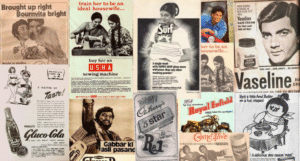
Traditional branding is all about the classic methods businesses used to build recognition before digital platforms existed. It’s about being present where people lived their lives—on the street, at events, in magazines, or during their favorite TV shows.
The focus wasn’t on clicks or engagement metrics but on staying top of mind, creating familiarity, and earning trust through repetition and consistent messaging.
The Core Traditional Branding Methods
1. Print Advertising
Magazines, newspapers, flyers, and brochures once dominated brand storytelling. A stylish spread in Vogue or a newspaper front-page ad gave brands authority and an aspirational image.
2. Television and Radio
Commercials have long been a powerful way to connect emotionally. From catchy jingles on the radio to memorable TV campaigns, these formats reached mass audiences and left lasting impressions.
3. Outdoor and Transit Advertising
Billboards, posters, and signage turn cities into brand canvases. Whether on a highway or inside a metro station, outdoor ads keep a brand visible 24/7.
4. Sponsorships and Live Events
Aligning with sports, concerts, or community festivals gave brands visibility and positive associations. It wasn’t just about exposure—it was about being part of the culture people cared about.
5. Packaging and Retail Branding
The way a product looked on the shelf often determined whether it was picked up or ignored. Strong packaging design and eye-catching in-store displays reinforced brand identity.
6. Public Relations (PR)
Press coverage, media interviews, and traditional PR campaigns helped businesses build credibility and manage their reputation long before social media came into play.
7. Word-of-Mouth
Even with all the glitz of advertising, nothing beats the recommendation of a friend. Traditional branding always relied heavily on customer loyalty and referrals.
Why Traditional Branding Still Holds Power
-
Credibility: Established media outlets and offline spaces are often viewed as more trustworthy.
-
Wide Reach: Few channels can match the mass exposure of TV or a prime billboard location.
-
Emotional Impact: Storytelling through commercials or event sponsorships connects deeply with audiences.
-
Longevity: A billboard stands tall for months, unlike fleeting social posts.
Case Study: Coca-Cola’s Timeless Playbook

Coca-Cola is one of the strongest examples of how traditional branding can remain relevant across generations.
-
Outdoor Advertising: The company’s bright red billboards and posters are instantly recognizable worldwide.
-
Television Campaigns: Ads like the famous Christmas commercials or the classic “I’d Like to Buy the World a Coke” spot shaped cultural moments.
-
Packaging: The curved glass bottle design is iconic—it’s not just packaging, it’s part of Coca-Cola’s identity.
Even today, despite having a strong digital presence, Coca-Cola continues to invest heavily in traditional strategies. The reason? They know timeless branding comes from being consistently visible and emotionally resonant.
Traditional Meets Modern
The smartest brands aren’t choosing between old and new methods—they’re blending both. A billboard can spark curiosity, while Instagram carries the conversation forward. A TV campaign can launch a message, and YouTube keeps it alive long after.
Traditional branding creates authority, while digital branding offers precision and engagement. Together, they form a complete strategy.
Closing Thoughts
Traditional branding methods and strategies may have been around for decades, but they still play a crucial role in shaping brand identity. They bring credibility, mass awareness, and emotional storytelling in ways digital tools alone can’t always replicate.
Coca-Cola’s example shows that a brand doesn’t have to abandon traditional methods to stay modern—it just has to use them wisely, blending the old with the new. In the end, branding isn’t about chasing trends; it’s about creating lasting connections—and traditional strategies remain one of the strongest ways to do that.
good ,
Informative