
Luxury brands have never relied on traditional advertising to gain attention. Their power comes from allure, mystery, and storytelling. Instead of promoting discounts or shouting about features, luxury advertising works quietly yet powerfully—building desire and identity around a product.
But the landscape is changing. As younger, digital-first generations step into the luxury market, the ways luxury brands advertise are evolving. Today’s consumers want exclusivity, but they also value innovation, sustainability, and cultural relevance. This shift has led to new advertising trends of luxury brands that combine timeless prestige with modern expectations.
From Showing Products to Selling Experiences
Luxury advertising no longer focuses on the product alone. Instead, it highlights the emotions, status, and lifestyle that come with ownership. A Cartier commercial, for example, doesn’t just display fine jewelry—it immerses the audience in elegance, romance, and the idea of eternal beauty.
This experience-driven approach transforms advertising into storytelling, where the product becomes a symbol rather than the centerpiece.
Storytelling Rooted in Heritage
One enduring advertising trend is the use of brand history. Heritage reassures buyers that they are investing in something timeless. Chanel, for instance, constantly celebrates the vision of Coco Chanel, keeping her rebellious and elegant spirit alive in its campaigns.
This blend of tradition and storytelling not only builds trust but also creates emotional depth, reminding customers they are buying into a legacy.
Digital Elegance
For years, luxury brands were cautious about digital platforms, worried that online exposure might dilute exclusivity. That has changed dramatically. Today, brands like Dior, Balenciaga, and Gucci are proving that digital advertising can be just as refined as a flagship boutique.
Virtual try-ons, immersive social media campaigns, and carefully curated content now form the backbone of luxury advertising. The difference is in execution—luxury brands post with precision, turning each campaign into a statement piece rather than just content.
Cultural Collaborations
One of the boldest advertising trends of luxury brands is collaboration with unexpected cultural partners. The Louis Vuitton x Supreme collaboration was a game-changer, merging high fashion with streetwear. What seemed like a risky move turned into a cultural phenomenon, driving massive attention and reinforcing the idea that luxury can stay aspirational while still embracing modern culture.
Such collaborations work as advertising in themselves, creating buzz and positioning luxury brands as part of the cultural conversation.
Case Study: Gucci’s Advertising Evolution
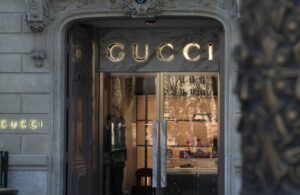
Among all luxury houses, Gucci stands out as a pioneer in modern advertising. Once known solely for its heritage, Gucci reinvented itself by embracing bold storytelling and digital-first campaigns.
Here’s how Gucci reflects today’s trends:
-
Bold Narratives: Gucci ads often feature surreal, conversation-starting visuals that go beyond fashion, sparking dialogue.
-
Digital-First Strategy: From TikTok challenges to augmented reality filters, Gucci experiments with fresh platforms while keeping its prestige intact.
-
Pop Culture Connections: Collaborations with music artists, actors, and even gaming (like its Roblox partnership) have expanded Gucci’s reach to younger audiences.
-
Sustainability Focus: Campaigns like “Gucci Off the Grid” highlight eco-friendly materials, showing that luxury can align with conscious consumerism.
Gucci’s transformation shows how luxury advertising can honor tradition while boldly stepping into the future.
Influencers with Influence
Not all influencers fit luxury branding. Instead of chasing massive reach, luxury brands choose ambassadors carefully, focusing on alignment of image and values. Dior, for example, collaborates with BLACKPINK’s Jisoo, whose elegance and global influence resonate perfectly with the brand’s audience.
This trend reflects how carefully chosen influencers can act as modern advertising vehicles—authentic, aspirational, and culturally relevant.
Advertising Values: Sustainability and Responsibility
A growing trend in luxury advertising is the emphasis on values. Today’s affluent buyers want to see more than exclusivity—they want responsibility. Campaigns highlighting sustainable sourcing, eco-friendly packaging, or support for social causes are gaining traction.
Luxury is being redefined: owning something rare is important, but owning something meaningful is even more powerful.
The Challenges Ahead
While luxury advertising is thriving, it isn’t without challenges:
-
Risk of Overexposure: Over-advertising or too many collaborations can weaken exclusivity.
-
Counterfeit Threats: Strong advertising often gives counterfeiters material to exploit.
-
Balancing Past and Future: Brands must modernize without losing their heritage.
Navigating these challenges will define which brands maintain their prestige in the coming years.
Looking Forward
The future of advertising trends of luxury brands will likely combine advanced technology with timeless storytelling. Virtual reality campaigns, interactive shopping, and hyper-personalized experiences will merge with narratives rooted in history and craftsmanship.
Luxury brands will continue to set themselves apart not by advertising louder, but by advertising smarter—making every campaign an experience, not just a promotion.
Final Thoughts
Luxury advertising is not about selling products; it’s about shaping desire, identity, and belonging. By embracing digital sophistication, cultural collaborations, heritage storytelling, and sustainability, luxury brands are crafting campaigns that resonate with a new generation while preserving their timeless appeal.
In the end, the success of luxury advertising lies in its ability to balance exclusivity with innovation—remaining aspirational while adapting to the values of modern consumers.